Connecting Japan
Japan Travel Culture Guide
5 Culture Shocks in Japan That First-Time Visitors Never Expect
(But Quickly Learn to Respect)
Japan is often described as clean, safe, polite, and efficient. All of that is true. But for many first-time visitors, the biggest surprises are not the famous tourist attractions. They are the everyday habits, the unspoken etiquette, and the way people communicate in public.
If you are planning your first trip, understanding these details will make your experience smoother, more respectful, and much less stressful.

One of the first culture shocks in Japan is how quiet public transportation can be. On busy trains in Tokyo, Osaka, and other major cities, people usually avoid phone calls and keep conversations low. Even during rush hour, the atmosphere often feels calm and controlled.
For visitors from countries where trains are louder and more social, this can feel surprisingly strict. In Japan, however, silence is part of public courtesy. The idea is simple: shared spaces should be comfortable for everyone.
Put your phone on silent before boarding, keep your voice low, and step off the train if you need to answer a call. It is one of the easiest ways to show respect in Japan.

Japanese communication is often indirect, especially in formal or unfamiliar situations. That means words that sound neutral or positive in English can sometimes signal hesitation, discomfort, or a soft no.
For example, phrases like 「そうですね…」 or 「難しいですね」 may sound open-ended, but they often mean the other person does not want to agree directly. This is common in business, service interactions, and even casual conversations where preserving harmony matters.
If someone says they will think about it, consider it carefully rather than assuming a yes. In Japan, reading the tone and context matters as much as understanding the literal words.
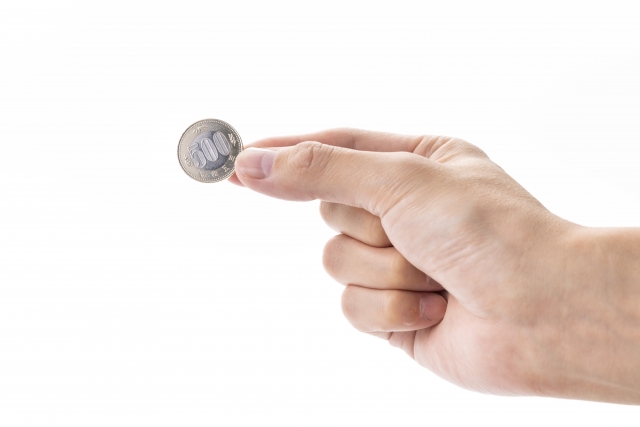
Japan is famous for futuristic technology, but cash remains surprisingly important. Many smaller restaurants, local shops, temples, markets, and older businesses still prefer cash payments. Even in major cities, not every place accepts foreign credit cards.
This catches many travelers off guard, especially those used to paying for everything by card or phone. While digital payments are growing, cash is still part of daily life in Japan in a way that surprises many foreign visitors.
Carry enough cash for the day, especially when visiting smaller neighborhoods or rural areas. Convenience store ATMs are often the safest option for international cards.
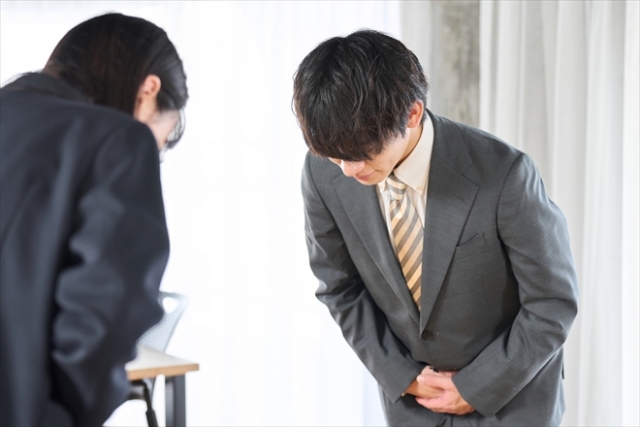
Many foreigners notice how often Japanese people say sumimasen. It can mean sorry, excuse me, thank you for the trouble, or simply an acknowledgment of someone else’s effort. That is why apology culture in Japan can feel deeper and more nuanced than expected.
It is not always about guilt. Often, it is about maintaining smooth social interaction. A small apology can signal awareness, humility, and consideration for other people.
Learn to use sumimasen naturally. Even basic phrases, paired with a small nod, can make interactions feel much warmer and more respectful.

Japanese people are often kind, helpful, and highly considerate with strangers. But for visitors, another culture shock in Japan is realizing that friendliness does not always lead quickly to friendship.
In many cases, relationships in Japan build slowly through repeated contact, shared activities, and trust over time. A coworker, neighbor, or classmate may be warm and polite without moving the relationship into a more personal space right away.
Do not assume distance means dislike. In Japan, patience matters. Many close friendships grow slowly, but once they form, they can be very deep and long-lasting.
The more time you spend in Japan, the more these habits start to make sense. What feels surprising on day one often becomes something you admire by day seven. For many travelers, that is exactly what makes Japan so memorable.
Understanding these unspoken rules does not mean you need to be perfect. It simply helps you move through Japan with more confidence, respect, and curiosity.
Still confused by something you experienced in Japan?
Ask Kaori directly for clear cultural context, practical advice, and honest answers grounded in real life in Japan.